
 Facebook
 X
 Pinterest
 Copy Link
When people hear the word downsizing, they often immediately think about everything they’re going to have to get rid of.
The furniture. The china. The collections. The things tucked into closets that have been there for 30 years.
But downsizing isn’t about getting rid of everything you own. It’s about deciding what deserves to go with you into your next chapter.
And sometimes the hardest part isn’t deciding what something is worth.
It’s deciding what it means.
Start With the Things That Have a Story
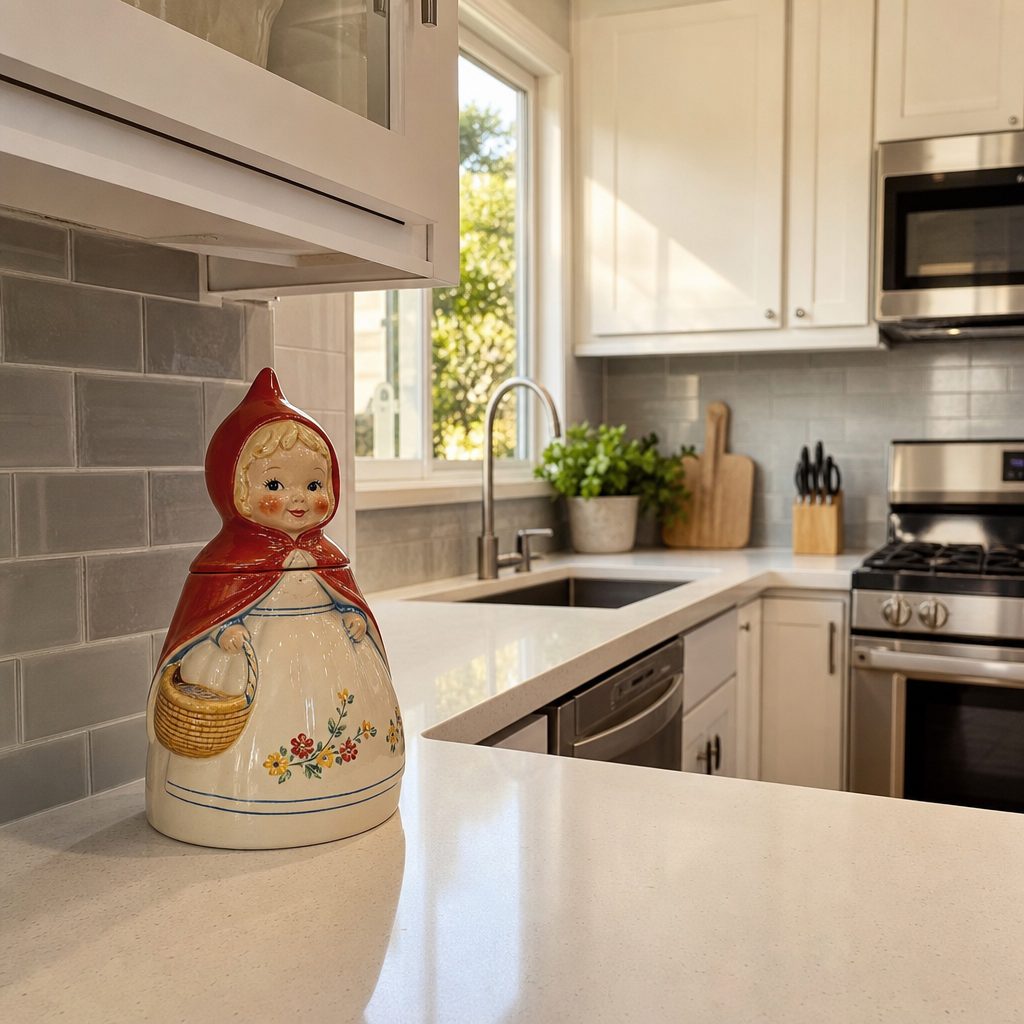
There is a Little Red Riding Hood cookie jar in my family that originally belonged to my great-grandmother.
She passed it down to my mother, and my mother eventually passed it down to my daughter.
Financially, it’s one item.
To our family, it’s generations of history.
That’s the difference I encourage people to think about when they’re preparing to downsize.
Before you start filling donation boxes, take some time to identify the things that actually have a story attached to them.
Who did they belong to?
Why were they important?
Do your children or grandchildren remember them?
Is there a family story connected to that piece that the next generation may not know?
Those answers can be far more important than what something would sell for.
Ask Your Family What They Actually Want
This can be an eye-opener.
We sometimes spend years assuming our children are going to want certain things because those things were important to us.
They may not.
Your children may not want the full set of china you’ve been protecting for 40 years. They might not want the dining room furniture, the figurine collection or boxes of holiday decorations.
But your daughter may want Grandma’s mixing bowl.
Your grandson might want Grandpa’s old tools.
Someone may want the Christmas ornament that’s been hanging on the family tree since they were little.
You won’t know until you ask.
And I recommend having those conversations before you’re in the middle of a move.
Give your family permission to tell you what they genuinely want without making them feel guilty about what they don’t want.
That makes the process easier for everyone.
Don’t Forget to Tell the Story
This may be one of the most important parts of passing things down.
Your family doesn’t automatically know everything you know about the things in your home.
To someone who doesn’t know its history, an old cookie jar may simply look like an old cookie jar.
But tell them that it belonged to their great-great-grandmother and suddenly they’re looking at something completely different.
When you’re deciding what to keep or pass along, tell the stories that go with those pieces.
Write the story down.
Put a note with the item.
Take a picture of it and record who originally owned it.
Better yet, sit down with your children or grandchildren and tell them yourself.
Because eventually the story can become more valuable than the object.
You Don’t Need the Whole Collection to Keep the Memory
This is another place where downsizing can become emotional.
Maybe your mother collected teacups and you inherited 40 of them.
You don’t necessarily have to keep all 40 to honor her.
Choose the one you remember sitting on her kitchen table.
Keep two that you genuinely love.
Offer others to family members who want them.
Then find a new home for the rest.
Keeping one meaningful piece isn’t disrespecting the collection. Sometimes it’s the best way to preserve what actually mattered about it.
Decide What Deserves Space in Your Next Home
When I’m talking with someone who is considering downsizing, I don’t think the first question should be, “How much can we get rid of?”
A better question is:
“What do you want your next home and your next chapter to look like?”
Once you know where you’re going, it becomes easier to decide what deserves to come with you.
Keep the things you use.
Keep the things you love.
Keep the things that tell an important part of your story.
Pass along the things your family genuinely wants.
And give yourself permission to let go of the rest.
Start Before the Moving Boxes Arrive
One of the biggest mistakes people make is waiting until they’re ready to put their home on the market before they begin downsizing.
That puts an emotional process on a moving deadline.
You don’t have to do everything at once.
Start with one cupboard.
One closet.
One collection.
Talk with your family now. Find out what matters to them. Tell the stories behind the special pieces while you have the time to enjoy those conversations.
Downsizing isn’t about erasing the life you’ve built in your home.
It’s about deciding which pieces of that life you want to carry forward.
And sometimes, one little cookie jar can carry generations of memories with it.
Ready to Start Thinking About Downsizing?
In my next article, I’m going to get into the practical side of getting started, including how to work through your home without becoming completely overwhelmed.
I’ll also be sharing my free Downsizing Checklist to help you start organizing the process one step at a time.
You don’t have to be moving next month to start preparing. In fact, starting before you have to move can make the entire process a lot easier.
Denise Hernandez, REALTOR®
Coldwell Banker Associated Brokers Realty
CA DRE #02058351
Guiding You Home, One Chapter at a Time.